
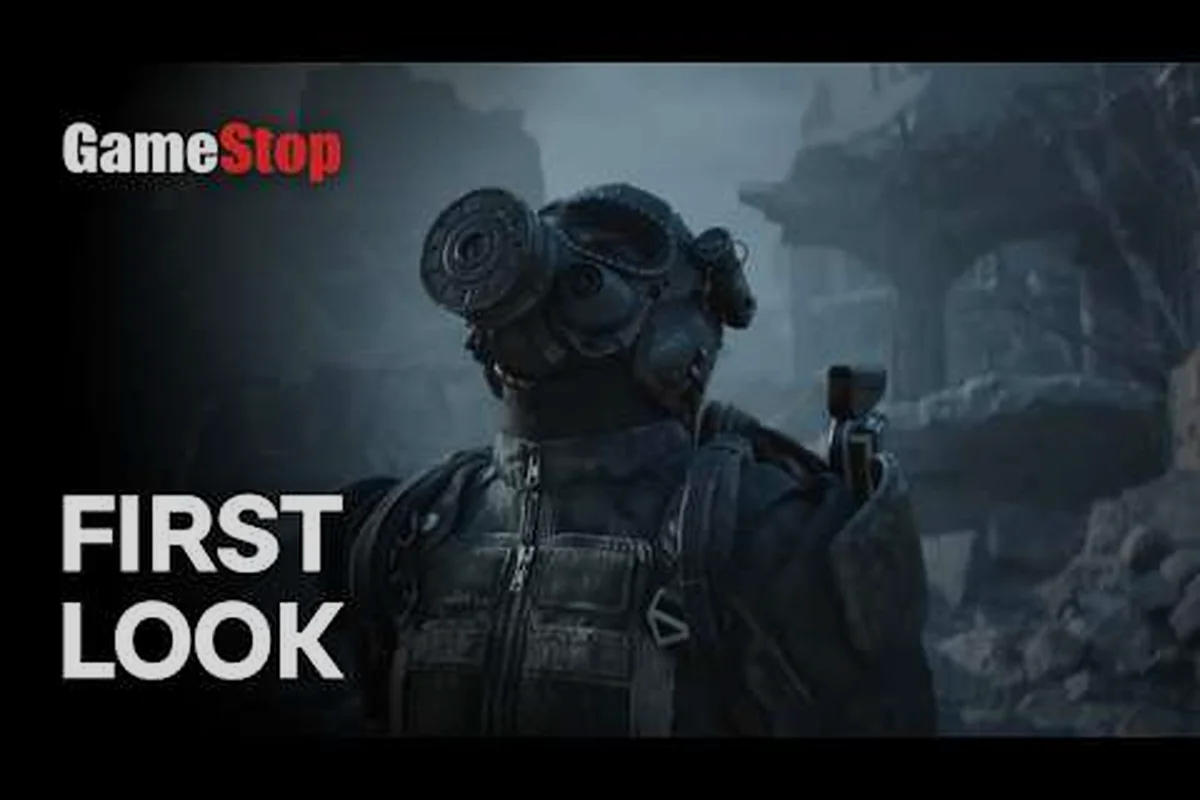
The METRO 2039 populated tunnels represent the beating heart of 4A Games' return to the Moscow underground, where station communities form the social backbone of the entire experience. Unlike the sprawling surface maps of Metro Exodus, this sequel pushes players back into confined corridors where every junction can hide either a bustling market or a mutant ambush. Understanding which stations offer genuine safety, which hub areas drive the main quest, and how the open world design interweaves with linear levels is essential for anyone planning to survive the poisoned capital when the game launches in February 2027.
The official Xbox First Look presentation revealed a kneeling older man with an assault rifle guarding a populated Metro tunnel, giving players a quick glimpse at the settlements they will visit. That single frame confirms what the Wikipedia article on METRO 2039 describes as a return to confined spaces with denser environmental storytelling than Exodus's open environments. This article breaks down everything we know about the populated tunnels, safe stations, hub areas, and mission locations so you can plan your route before the radiation clears.
The Social Geography of METRO 2039 Populated Tunnels
The last survivors of Moscow live locked in bitter conflict deep beneath the poisoned surface, and according to the official Deep Silver game page, station communities form the social backbone players explore throughout the campaign. These populated tunnels are not simple backdrop dressing; they function as living ecosystems where faction politics, trade, and daily survival intersect. The Novoreich regime under Hunter has unified many of these stations, but that unity comes with surveillance, propaganda, and a heavy military presence that changes how you interact with every NPC you meet.
What makes the populated tunnels distinct from previous Metro games is the density of interactive characters. Where Metro 2033 offered sparse crowds and Exodus scattered small camps across the surface, METRO 2039 concentrates its population into interconnected station hubs that you will revisit multiple times. This design choice supports the frozen stories approach that Andriy Shevchenko's team uses to stage rooms with items and bodies that tell micro-narratives without a single line of dialogue. Every market stall, every barricade, and every corpse you pass in these tunnels carries narrative weight.
The social geography also creates natural gameplay rhythms. You might spend twenty minutes navigating a safe station, trading resources and accepting side missions, only to plunge into a hostile tunnel segment where the population disappears and the horror returns. This alternation between populated safety and desolate danger is the core tension that defines how the open world design works in practice.
| Station Type | Population Density | Threat Level | Primary Function |
|---|---|---|---|
| Safe Station | High | Minimal | Trading, quests, rest |
| Guarded Tunnel | Medium | Moderate | Travel between hubs |
| Ruined Station | Low | High | Exploration, loot |
| Military Checkpoint | Medium | Elevated | Novoreich control |
Safe Stations and Hub Areas You Need to Know
Guarded Tunnel Settlements: The Novoreich Social Backbone
The reveal trailer features a kneeling older man with an assault rifle guarding a populated tunnel, showcasing the settlements players visit. These aren't just hubs; they are the social backbone under Hunter's Novoreich, where station communities are locked in bitter conflict. Unlike Exodus's train-bound crew, these settlements are static, allowing for deeper faction interaction. For instance, a guarded tunnel checkpoint might require a bribe of military-grade rounds or a favor for a local faction to pass, directly reflecting the power dynamics of the Novoreich regime. This creates a tense negotiation layer absent from previous titles.
The METRO 2039 safe stations are your lifelines in the underground, offering places where you can lower your gas mask, repair weapons, and interact with the station communities that keep the Metro alive. While the full station roster remains under wraps, the reveal materials point to several distinct hub areas that will anchor the campaign's progression. These hubs are not just rest stops; they serve as mission locations where the main story advances through conversations, set pieces, and faction encounters.
The Exhibition Station appears to function as an early-game hub, consistent with its role in the original novel and Metro 2033. However, the Novoreich occupation has transformed it, and the station's familiar layout now hosts propaganda posters and military patrols. The Kiev Station hub, which sits on the Line, has been highlighted in official materials as a major crossroads where multiple tunnel lines converge, making it a natural gathering point for traders and a strategic prize for the regime. Players who want a deeper look at how these hubs connect should review the semi-open level structure guide that covers the line map and station layout in detail.
Hub areas in METRO 2039 serve three distinct purposes that go beyond simple rest stops. First, they act as quest distribution points where NPCs offer side missions that send you into surrounding tunnels. Second, they function as economy centers where you can spend military-grade ammunition on upgrades, filters, and crafting materials. Third, they provide narrative anchor points where the consequences of your earlier choices become visible through changed dialogue, altered NPC behavior, and shifting faction presence.
| Hub Area | Known Features | Likely Role |
|---|---|---|
| Exhibition Station | Market, workshop, Novoreich presence | Early-game hub |
| Kiev Station | Multiple line connections, trade hub | Mid-game crossroads |
| Arbat Station | Circle Line access, cultural center | Story mission hub |
| Botanical Garden | Wilderness edge, mutant pressure | Late-game staging |
How Open World Design Balances Linear Levels
The METRO 2039 open world design represents a careful evolution of the series' signature tension between exploration and directed storytelling. Rather than repeating Exodus's large sandbox maps, 4A Games has opted for a semi-open structure where populated tunnels connect handcrafted linear levels. This approach preserves the sense of a living underground while ensuring that each mission location receives the careful staging that the series is known for. The result is a game that feels open without sacrificing the tight pacing that made the original Metro games memorable.
The balance works through a simple loop: you navigate populated tunnels to reach mission locations, complete a linear level that advances the story, then return to the hub to process the consequences. This rhythm mirrors the structure of the original novel, where Artyom's journey takes him through distinct stations with their own cultures and problems. The linear levels themselves are where the frozen stories approach shines, with rooms staged to reveal narrative through environmental detail rather than exposition.
What separates this design from simple hub-and-spoke structure is the degree of player agency within each segment. The populated tunnels offer multiple routes, optional encounters, and hidden caches that reward exploration, while the linear levels focus your attention on specific narrative beats. This hybrid approach means that no two players will experience the same journey through the Metro, even though the critical path remains consistent. The radiation zones guide covers how the surface and tunnel environments create additional pressure on your route planning.
The Semi-Open Structure in Practice
The semi-open structure manifests through what the developers call a line map, which shows the interconnected tunnel network rather than a single linear path. Players can choose which stations to visit first, which side missions to accept, and which routes to take between objectives. However, certain mission locations remain locked until you complete specific story beats, preventing the open world design from overwhelming the narrative pacing.
This approach also affects how you manage resources. Because populated tunnels are relatively safe, you can afford to travel between hubs without burning through filters and ammunition. The danger concentrates in the linear levels and optional exploration zones, which means you must learn to read the environment to know when to conserve supplies and when to spend freely. The balance between safe travel and dangerous missions creates a natural difficulty curve that rewards careful planning.
Key Mission Locations and Their Role in the Campaign
The METRO 2039 mission locations span the full range of the underground, from the familiar stations of the original game to new areas that push the story into uncharted territory. While the full mission list remains unconfirmed, the reveal trailer and official materials point to several key locations that will anchor major story beats. These locations are not just backdrops; they are designed to challenge your combat skills, test your moral compass, and reveal the consequences of the Novoreich regime's rise to power.
The ruined station shown in the Xbox First Look presentation, with a body slumped against a pillar, exemplifies the exploration opportunities that await in abandoned sections of the tunnel network. These ruined areas serve as optional mission locations where you can find rare crafting materials, lore entries, and environmental stories that flesh out the world. The risk-reward calculation is central to the experience: venturing into these dangerous zones can yield valuable resources, but the mutant population and radiation hazards make every expedition a gamble.
The Botanical Garden has been mentioned in community discussions as a potential major mission location, continuing the series' tradition of surface-adjacent environments that blend natural overgrowth with industrial decay. If the location appears as expected, it will likely serve as a late-game area where the open world design opens up to accommodate larger set pieces and more aggressive enemy encounters. Players who want to understand how these locations connect to the broader map should check the beyond Moscow guide that covers the Novoreich capital and other underground settlements.
| Mission Location | Environment Type | Expected Threats | Narrative Purpose |
|---|---|---|---|
| Ruined Station | Abandoned tunnel | Mutants, traps | Exploration, lore |
| Botanical Garden | Overgrown surface | Demons, mutants | Major set piece |
| Guarded Tunnel | Military corridor | Novoreich patrols | Faction tension |
| Station Core | Populated hub | Political intrigue | Story progression |
Navigating the Populated Tunnels: Practical Strategies
The "Frozen Stories" Micro-Narrative Rooms in Populated Tunnels
Andriy Shevchenko's "frozen stories" approach stages rooms with items and bodies to tell micro-narratives, a stark contrast to Exodus's open environments. In the Xbox First Look, a ruined station shows a body slumped against a pillar, inviting exploration. Unlike Exodus's sprawling maps, METRO 2039 returns to confined spaces, densifying environmental storytelling. For example, a tunnel junction with a single, spent filter and a half-eaten ration pack near a barricade signals a desperate last stand. This forces players to read every object as a clue, rewarding thorough scavenging with lore and resources.
Surviving the METRO 2039 populated tunnels requires more than just combat skill; it demands an understanding of how the station communities operate and where the real dangers hide. The following strategies draw from the official materials and community observations to help you navigate the underground effectively when the game launches. These practical tips will save you resources, keep you alive, and help you uncover the secrets hidden in the tunnels.
Learn the patrol patterns in Novoreich-controlled stations because the regime's soldiers respond aggressively to unauthorized movement. While you can usually walk freely through populated areas, entering restricted zones or drawing your weapon in sight of a patrol will trigger a hostile response. The propaganda encounters scattered throughout the hubs offer opportunities to learn about the regime's ideology while also providing context for the faction tensions that drive the story.
Invest in the local economy by trading with station merchants before venturing into dangerous territory. The populated tunnels function as safe zones where you can sell surplus loot, purchase ammunition, and upgrade your equipment. Building a good reputation with station communities can unlock better prices and exclusive items, which makes the effort of completing side missions worthwhile. The station communities respond to your actions, and word of your deeds spreads through the tunnels.
Use the hub areas as staging grounds for expeditions into the linear levels. Before tackling a major mission location, ensure your gas mask filters are fresh, your weapons are repaired, and your inventory is stocked with medkits. The safe stations offer the only reliable places to perform these preparations, which means planning your route to pass through a hub before each major objective is essential.
Pay attention to environmental storytelling because the frozen stories approach means that every populated tunnel contains clues about what happened before you arrived. Corpses, abandoned equipment, and damaged barricades tell the story of previous conflicts, and reading these signs can warn you about upcoming threats. The hunter dictatorship guide offers additional context on how the regime's rise has reshaped these environments.
Route Planning and Resource Management
Effective route planning in the populated tunnels requires balancing several competing priorities. The shortest path between two points may pass through hostile territory, while a longer route through safe stations costs time but preserves resources. The line map helps you visualize these trade-offs, showing which stations are connected and where the danger zones lie.
Resource management becomes a constant calculation because filters, ammunition, and medkits are always in short supply. The populated tunnels offer opportunities to scavenge supplies, but the best caches are often located in the most dangerous areas. This tension between safety and reward drives the exploration loop, encouraging you to take calculated risks without forcing you into constant combat.
Frequently Asked Questions
What are the METRO 2039 populated tunnels?
The populated tunnels are the inhabited sections of the Moscow Metro where station communities live, trade, and interact. These areas feature NPCs, merchants, and faction presence, serving as safe zones between combat encounters. According to the official Deep Silver page, these station communities form the social backbone players explore throughout the campaign.
Which stations are confirmed as safe stations in METRO 2039?
Exhibition Station and Kiev Station have been highlighted in official materials as major hub areas, though the full roster remains unconfirmed. Safe stations offer trading, quest opportunities, and rest areas where you can repair equipment. The Novoreich military presence means even safe stations have restrictions, so you must learn which areas are accessible.
How does the open world design work in METRO 2039?
The game uses a semi-open structure where populated tunnels connect handcrafted linear levels. Players can choose routes between hubs and accept optional missions, but critical story beats remain linear. This balances exploration with narrative pacing, creating a hybrid experience that rewards curiosity without sacrificing the series' signature tension.
What are the main mission locations in the game?
Confirmed and rumored mission locations include ruined stations with exploration opportunities, the Botanical Garden for late-game set pieces, and guarded tunnels controlled by Novoreich patrols. Each location serves a distinct narrative purpose, from lore discovery to major combat encounters that advance the story of Hunter's regime.
How should I prepare before entering dangerous tunnel sections?
Stock up on filters, ammunition, and medkits at safe stations before venturing into hostile territory. Learn patrol patterns in Novoreich-controlled areas, invest in the local economy for better equipment, and pay attention to environmental storytelling for warnings about upcoming threats. Route planning through the line map helps balance safety and resource efficiency.