
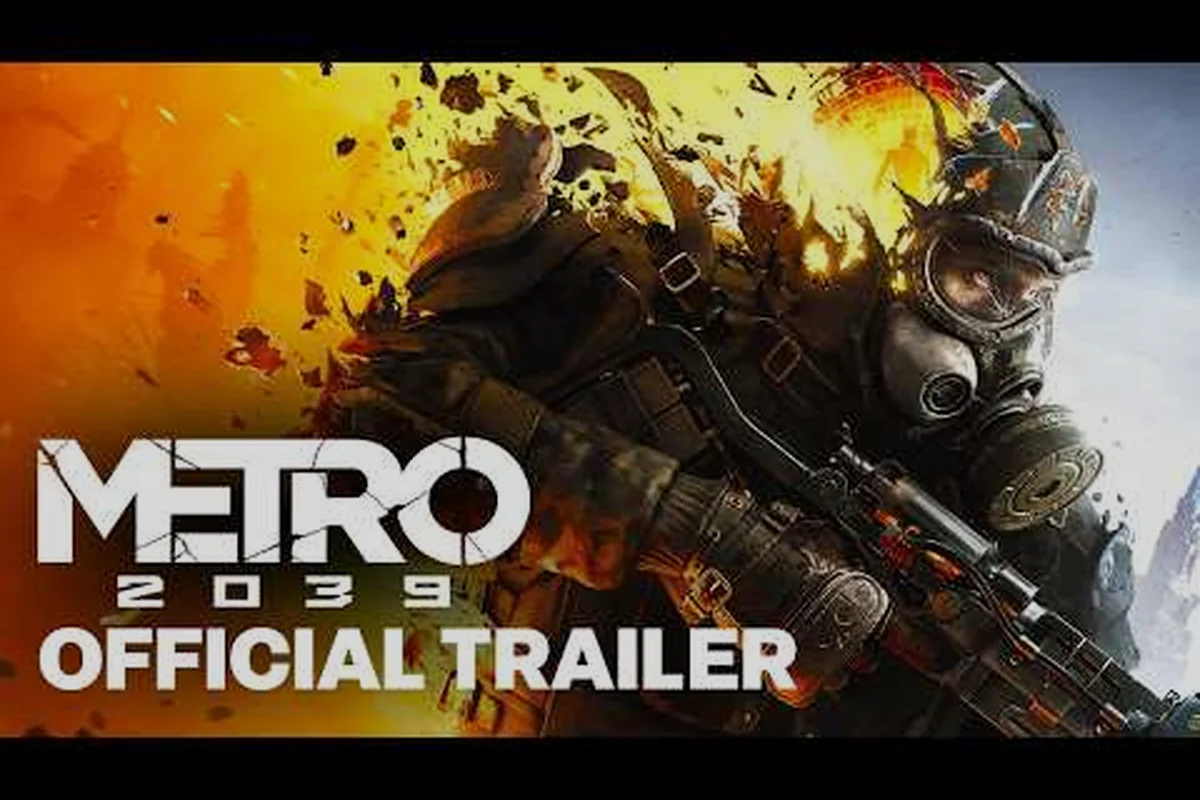
The metro 2039 semi open levels mark a deliberate shift from Exodus's sprawling sandboxes back to the dense, handcrafted tunnels that defined the series. Instead of a single continuous map, the game stitches together large explorable zones connected by linear corridors, and understanding that rhythm is the difference between thriving and burning through your filters. The Kiev station hub and the Arbat station junction anchor the western half of the playable network, while the circle line forms a ring that loops you back toward familiar territory. This guide breaks down the line map, the key stations, and how the wilderness exile segments fit into the larger structure. If you're tracing the circle line's loop and wondering where the wilderness exile segments intersect with the map's core, our deep dive on the Metro 2039 Exhibition Station pinpoints exactly how that hub anchors the transition between the ring and the outer wilds.
The Semi Open Level Structure and the New Line Map
The metro 2039 semi open levels are best understood as a hybrid between the corridor-driven design of Metro 2033 and the open areas of Exodus. Each explorable zone functions as a small sandbox with multiple entry and exit points, side rooms, and environmental puzzles, but the game funnels you through story-critical choke points between them. According to the official material on the Deep Silver website, the game weaves exploration, survival, combat, and stealth across dense handcrafted environments that reward close observation, which aligns with this hybrid structure.
The line map in METRO 2039 is not a simple straight line. It branches, loops, and occasionally doubles back on itself, which means your mental model of the tunnels matters more than in previous entries. The map is divided into three broad bands:
-
The Western Reaches — anchored by Kiev station and the connecting tunnels toward the surface access points, this band emphasizes vertical exploration and flooded sections.
-
The Circle Line Loop — a ring of stations that connects the western hubs to the eastern districts, with Arbat station sitting at the northern curve of the loop.
-
The Wilderness Exile Zones — surface and semi-surface areas that break up the tunnel sections, offering long sightlines and different resource economies.
Each band has a distinct visual language and threat profile. The Western Reaches lean into claustrophobic horror, the circle line feels more like a contested border between factions, and the wilderness zones trade density for scale. The metro 2039 line map rewards players who memorize shortcuts, because the fastest route between two objectives is rarely the safest one.
| Map Band | Primary Stations | Threat Level | Resource Density | Exploration Style |
|---|---|---|---|---|
| Western Reaches | Kiev, Smolenskaya | High | Medium | Vertical, flooded tunnels |
| Circle Line Loop | Arbat, Park Kultury | Medium | High | Horizontal, faction checkpoints |
| Wilderness Exile | Botanical Garden, Surface Ruins | Very High | Low but valuable | Open sightlines, weather hazards |
The Kiev station serves as the primary hub for the early game, and it is where you will spend most of your time upgrading gear and taking side missions. The station itself is a fortified settlement with traders, a workbench, and a small medical bay, but the surrounding tunnels branch into several distinct explorable zones. The Arbat station, by contrast, is less a hub and more a crossroads, and it becomes critical once you start working your way around the circle line.
Kiev Station Hub and Its Surrounding Tunnels
Kiev station is the first major hub you encounter in the metro 2039 semi open levels, and it sets the tone for how the game handles player agency. The station is built around a large central hall with multiple exits, and each exit leads to a different type of explorable zone. One tunnel heads toward the flooded maintenance shafts, another climbs toward a surface access point, and a third connects to the circle line via a long, abandoned stretch of track.
The Kiev station area is dense with environmental storytelling, and the Xbox Wire recap of the First Look event confirmed that every room is staged with items, bodies, and props so observant players can piece together micro-narratives. Executive producer Jon Bloch noted that nothing is prefabricated, and each room shows what a person was doing right before they left or died. That philosophy is on full display in the Kiev hub, where you can reconstruct the final moments of the station's former inhabitants through scattered diaries, half-eaten meals, and barricaded doors.
Leaving Kiev Station’s hub doesn’t funnel you into a single corridor; instead, the semi-open layout immediately presents three distinct routes that drastically alter your early-game progression. You can push straight ahead toward the Arbat Station line, which offers the most direct path but throws you into heavy Nosalis territory with limited cover. Alternatively, you can veer off to the side tunnels that loop back toward the Botanical Garden, a longer, stealth-friendlier detour that yields more loot caches but demands careful management of your filter mask’s durability. The third option is to descend into the flooded lower maintenance shafts, a high-risk gamble that bypasses a major checkpoint but can shave off significant travel time if you’re confident in your combat skills. Each path feeds into a different segment of the line map, meaning your choice here effectively dictates which faction encounters and environmental hazards you’ll face first.
-
The Maintenance Tunnels — a vertical descent into flooded lower levels, with valuable crafting materials but a high mutant presence.
-
The Surface Access — a short climb to a ruined building above ground, where the wilderness exile mechanics first come into play.
-
The Circle Line Connection — a long, dark stretch of track that eventually leads to Arbat station, with several optional side rooms along the way.
The maintenance tunnels are the best early-game farming spot, because they contain a high concentration of chemical components and spare parts. The surface access is riskier, but it unlocks a fast travel point and gives you access to a botanical garden overgrown area that contains rare medical supplies. The circle line connection is the story-critical path, and it introduces you to the faction checkpoint system that governs movement through the metro 2039 semi open levels.
| Kiev Station Route | Primary Resources | Main Threat | Recommended Loadout | Time Investment |
|---|---|---|---|---|
| Maintenance Tunnels | Chemicals, Parts | Nosalises, Spiders | Shotgun, Flashlight | 20-30 minutes |
| Surface Access | Meds, Filters | Watchmen, Radiation | Rifle, Gas Mask | 15-20 minutes |
| Circle Line Connection | Ammo, Intel | Bandits, Patrols | Silent Weapons, Throwing Knives | 30-40 minutes |
The Kiev station hub also introduces the frozen stories mechanic, where you can interact with specific environmental objects to trigger short memory sequences. These sequences are optional, but they provide context for the larger narrative and sometimes reveal hidden cache locations. The metro 2039 kiev station area is designed to be revisited, because several locked doors require tools or keycards that you acquire later in the game.
Arbat Station and the Circle Line Loop
Arbat station sits at the northern curve of the circle line, and it functions as the main transit point between the western and eastern halves of the playable map. Unlike Kiev, Arbat is not a fortified settlement; it is a contested zone where multiple factions maintain a fragile truce. The station's architecture reflects this tension, with barricades, sniper positions, and neutral trading zones carved out of the old platform.
The Arbat station area is where the metro 2039 semi open levels really open up, because the circle line gives you multiple paths to the same objective. You can push through the main tunnel, which is heavily patrolled, or you can take the service corridors, which are longer but safer. You can also detour through the abandoned side stations, which contain high-value loot but also the highest concentration of mutants.
The circle line itself is a ring of interconnected stations, and each one has a distinct personality: this loop functions as the game's central hub for the metro 2039 semi open levels, where the branching corridors and service tunnels between stations act as miniature sandboxes. Unlike the linear, story-driven segments, the ring encourages free-form exploration, letting you bypass combat encounters by navigating the maintenance shafts that connect to the metro 2039 line map. For instance, the transition from metro 2039 arbat station into the adjacent tunnel network often triggers dynamic stalker patrols, rewarding players who use stealth routes to flank them. This design choice creates a cause-and-effect loop: clearing a station’s side-quests, like the one at metro 2039 kiev station, unlocks new transit shortcuts, making the entire loop feel like a living, interconnected ecosystem rather than a series of isolated levels.
-
Park Kultury — a ruined cultural center with a large open hall, now used as a bandit camp.
-
Kropotkinskaya — a flooded station with submerged tunnels and amphibious threats.
-
Smolenskaya — a partially collapsed station that requires careful climbing and jumping.
-
Arbat — the central hub, with faction checkpoints and neutral trade zones.
The metro 2039 circle line is not just a gameplay convenience; it is also a narrative device. The ring shape means that you are never truly lost, but it also means that you are never truly safe, because enemies can approach from multiple directions. The faction checkpoints add another layer of tension, because your reputation with each faction determines whether you can pass freely or need to fight your way through.
| Circle Line Station | Faction Control | Key Feature | Danger Level | Loot Quality |
|---|---|---|---|---|
| Park Kultury | Bandits | Open hall, sniper nests | High | Medium |
| Kropotkinskaya | Unclaimed | Flooded tunnels, submerged loot | Extreme | High |
| Smolenskaya | Unclaimed | Collapsed sections, climbing routes | Medium | Medium |
| Arbat | Contested | Checkpoints, neutral trade zone | Variable | High |
The Arbat station also serves as the gateway to the botanical garden area, which is one of the largest explorable zones in the game. The garden is a semi-open surface area that has been reclaimed by nature, with overgrown greenhouses, collapsed domes, and a dense canopy that blocks most sunlight. It is also home to some of the most dangerous mutants in the game, which makes it a high-risk, high-reward destination.
Wilderness Exile Zones and the Botanical Garden
Arbat Station's Circle Line Loop as a Navigation Anchor
The Circle Line loop at Arbat Station functions as a spatial anchor in the semi-open map, allowing players to orient themselves through a circular reference point rather than a linear path. Unlike the branching tunnels of Kiev Station, the loop's closed geometry means players who get lost can always follow the tracks back to Arbat. This design reduces the cognitive load of navigating the semi-open structure—instead of memorizing a spiderweb of routes, players only need to remember which radial tunnel connects to the loop. The loop also serves as a staging ground for expeditions into the Wilderness Exile Zones.
Comparing the Semi-Open Design to Metro Exodus's Open Environments
METRO 2039's semi-open levels represent a deliberate middle ground between the linear corridors of Metro 2033 and the fully open maps of Metro Exodus. While Exodus's Volga and Caspian levels offered vast, vehicle-friendly spaces, 2039's handcrafted environments return to confined, dense areas with higher environmental storytelling density. The 4A Engine's ray-traced global illumination, first pioneered in Exodus Enhanced Edition, is now used to enhance the "frozen stories" in these tighter spaces—light shafts through tunnel grates draw the eye to staged corpses and items. This shift means players trade Exodus's freedom of approach for a more curated, detail-focused exploration experience.
The wilderness exile segments are the most distinctive addition to the metro 2039 semi open levels, because they break up the tunnel rhythm with open-air exploration. These zones are not as large as Exodus's sandboxes, but they are denser and more dangerous. The surface is still heavily irradiated, so your gas mask filter economy becomes a constant pressure, and the weather can shift from clear to storm in minutes.
The botanical garden is the first major wilderness exile zone you encounter, and it is accessible from both Arbat station and a surface access point near the circle line. The garden is divided into several sub-zones, each keyed to a distinct threat tier: the overgrown greenhouse cluster near the Arbat entrance holds only mutated rodents and stray packs, while the deeper arboretum toward the circle line access point spawns watchmen patrols that force you to manage your gas mask filter timer aggressively. Because the garden bridges two of the metro 2039 semi open levels, the transition between these sub-zones does not trigger a loading screen—you can retreat from a surface firefight back into the Arbat tunnels mid-combat, which makes the botanical garden the ideal proving ground for testing stealth takedowns versus full-auto breaching tactics before you commit to the harsher wilderness zones further down the metro 2039 line map.
-
The Greenhouse Row — a series of collapsed glass structures with valuable medical plants and mutant nests.
-
The Central Pond — a large water feature that attracts amphibious mutants and contains submerged loot.
-
The Overgrown Path — a winding trail that leads to the garden's northern exit, with several optional detours.
-
The Ruined Observatory — a high point that offers a panoramic view of the area and a fast travel beacon.
The metro 2039 botanical garden area is a masterclass in environmental storytelling, because every structure tells a story about the people who once tended it. The greenhouses contain planting schedules and irrigation logs, the observatory has star charts and weather records, and the maintenance sheds hold tools that hint at the garden's original purpose. According to the Xbox Wire recap, this level of detail is intentional, with every room staged to show what a person was doing before they left or died.
The wilderness exile zones also introduce a new survival mechanic: weather awareness. Storms can reduce visibility to near zero, and they attract certain types of mutants while driving others into cover. You need to plan your movements around the weather, because getting caught in the open during a storm is often a death sentence. The metro 2039 wilderness exile areas reward patience and observation, and rushing through them is the fastest way to burn through your resources.
| Botanical Garden Zone | Primary Threat | Key Resource | Weather Impact | Recommended Approach |
|---|---|---|---|---|
| Greenhouse Row | Spiders, Nosalises | Medical Plants | Low | Stealth, melee |
| Central Pond | Amphibious Mutants | Submerged Loot | Medium | Ranged, patience |
| Overgrown Path | Watchmen, Demons | Crafting Materials | High | Speed, cover usage |
| Ruined Observatory | Snipers, Traps | Intel, Fast Travel | Low | Caution, recon |
The botanical garden also contains one of the game's most memorable set pieces: a collapsed greenhouse that has become a nesting ground for a large mutant creature. The encounter is optional, but it rewards you with a unique weapon modification and a significant amount of crafting materials. The wilderness exile zones are designed to be explored thoroughly, and the game tracks your exploration percentage for each area, which encourages completionists to scour every corner.
Practical Navigation Strategies for the Semi Open Map
The "Frozen Stories" Micro-Narrative System in Kiev Station
Kiev Station's hub is built around Andriy Shevchenko's "frozen stories" approach, where each room is staged with items, bodies, and props to reveal what a person was doing right before they left or died. Executive producer Jon Bloch confirmed nothing is prefabricated—every room carries a micro-narrative. For example, a workshop with a half-disassembled pneumatic rifle and a dead Ranger still gripping a wrench tells a complete supply-shortage story without a single line of dialogue. This density of environmental storytelling directly contrasts with Exodus's sprawling open environments, forcing players to slow down and inspect every corner.
Wilderness Exile Zones: Risk-Reward Loot Distribution
The Wilderness Exile Zones and Botanical Garden present a deliberate risk-reward structure where high-value resources are placed in the most dangerous, exposed areas. The Botanical Garden, for instance, offers rare medical supplies and filter replacements near mutant nesting grounds, forcing players to choose between stealthy extraction and direct combat. This contrasts with the safer, loot-poorer tunnels of Kiev Station, where supplies are scarce but threats are predictable. The semi-open design means players can scout a zone's perimeter before committing, but the Garden's dense foliage limits sightlines, making ambushes by Nosalises a constant threat.
Navigating the metro 2039 semi open levels requires a different mindset than the linear corridors of previous games. You need to think in terms of routes, not paths, because there is almost always more than one way to reach your objective. The game provides a line map in your journal, but it only shows the major connections, so you need to build your own mental model of the tunnels.
Here are the key strategies that experienced players recommend, and they hinge on one critical distinction: the metro 2039 semi open levels are not a single sandbox but a chain of distinct hubs. Instead of sprinting between objectives, veterans prioritize unlocking the metro 2039 line map shortcuts early—specifically the connecting tunnels that bypass the mutant-heavy botanical garden surface zone, which can drain your filters and medkits before you even reach the objective. For the metro 2039 kiev station and metro 2039 arbat station hubs, the meta is to clear the central corridors first to establish a safe respawn point, then methodically loot the side branches. Crucially, never attempt the metro 2039 circle line loop in a single pass; the radiation spikes and ambush spawns on that route are designed to punish overconfidence, so break it into two sorties, using the station bunkers as a gear-cache midpoint. This turn-based approach to exploration conserves the scarce military-grade ammo you'll need for the metro 2039 wilderness exile segments, where resupply is nonexistent.
-
Mark your map liberally — the game lets you place custom markers, and you should use them to track locked doors, resource caches, and dangerous areas that you need to revisit.
-
Learn the shortcut routes — the fastest path between two points is rarely the main tunnel. Service corridors, maintenance shafts, and collapsed sections often provide safer or quicker alternatives.
-
Respect the faction checkpoints — your reputation with each faction determines whether you can pass through their territory freely. Carrying the right items or completing side quests can open up new routes.
-
Plan around the weather — in wilderness exile zones, the weather can change your approach. Check the forecast before heading out, and be prepared to shelter if a storm rolls in.
-
Use the fast travel beacons — the game has a limited fast travel system, but it requires you to activate beacons in each area. Prioritize finding these beacons early, because they save you from long backtracking trips.
The metro 2039 line map is also a tool for understanding the game's economy. Each station has a different set of traders, and prices vary based on your reputation and the station's supply levels. The Arbat station neutral trade zone is the best place to sell high-value items, while the Kiev station traders offer the best prices for crafting materials. Understanding these economic flows is just as important as knowing the combat routes.
| Navigation Strategy | Time Saved | Risk Level | Best Used For | Required Preparation |
|---|---|---|---|---|
| Service Corridors | Medium | Low | Avoiding patrols | Lockpicks, silenced weapons |
| Surface Shortcuts | High | Very High | Fast travel between zones | Gas mask filters, medkits |
| Faction Checkpoints | Variable | Medium | Safe passage through territory | Faction reputation, bribes |
| Flooded Tunnels | Low | High | Accessing hidden loot | Rebreather, underwater combat skills |
The metro 2039 semi open levels also reward players who pay attention to the environment. The frozen stories approach means that every area has a history, and understanding that history often reveals practical advantages. A room with a barricaded door might contain a safe, but it might also contain a hidden passage that lets you bypass a patrol. A collapsed ceiling might block the main tunnel, but it might also create a new route through the floors above.
Comparing the Semi Open Design to Previous Metro Games
The metro 2039 semi open levels represent a deliberate evolution of the series' level design philosophy, and comparing them to previous entries helps clarify what is new. Metro 2033 and Last Light were almost entirely linear, with occasional hub areas like the market station that served as respite between missions. Exodus shifted to large open sandboxes, but the trade-off was that the environments felt less dense and the storytelling became more diffuse.
METRO 2039 splits the difference, and the result is a structure that feels both familiar and fresh. The Kiev station and Arbat station hubs provide the social and economic functions of the old market stations, while the wilderness exile zones capture the scale and freedom of Exodus's open areas. The circle line ties everything together, creating a loop that encourages exploration without losing narrative momentum.
| Game | Level Structure | Hub Areas | Exploration Freedom | Environmental Density |
|---|---|---|---|---|
| Metro 2033 | Linear corridors | Limited | Very Low | Very High |
| Last Light | Linear with branches | Moderate | Low | High |
| Exodus | Open sandboxes | Large hubs | Very High | Medium |
| METRO 2039 | Semi open zones | Multiple hubs | High | Very High |
The metro 2039 semi open levels also handle player choice differently than Exodus. In Exodus, you could often avoid combat entirely by taking alternate routes, but the open areas were so large that you might miss significant content. In METRO 2039, the zones are smaller and denser, which means that exploration is more rewarding but also more dangerous. Every detour has a cost, and you need to weigh the potential rewards against the resources you will spend.
The wilderness exile segments are the clearest departure from the series' roots, because they break the claustrophobic tension that defined the earlier games. However, they are balanced by the return to dense, corridor-based storytelling in the tunnel sections. The metro 2039 line map reflects this duality, with open loops and closed corridors existing side by side.
Frequently Asked Questions
How do the metro 2039 semi open levels differ from Exodus's open world?
The semi open levels are smaller and denser than Exodus's sandboxes, with multiple entry and exit points but a clearer narrative path. Each zone is handcrafted with a focus on environmental storytelling, and the game funnels you through story-critical choke points between explorable areas. This creates a hybrid structure that rewards exploration without losing momentum.
What is the best route from Kiev station to Arbat station?
The main tunnel is the fastest route, but it is heavily patrolled by bandits and mutant packs. The service corridors are safer but longer, and they require lockpicks to access. For the best balance of speed and safety, take the main tunnel but use stealth to avoid patrols, and detour through the side rooms to collect crafting materials.
Is the botanical garden worth exploring fully?
Yes—the botanical garden holds the best early-game loot, including rare medical supplies and a unique weapon modification, but it demands preparation. Bring extra filters and medkits, scout the mutant-heavy zones carefully, and retreat if radiation spikes. The risk is worth it, but only if you're fully stocked.
How does the circle line affect exploration?
The circle line creates a loop that connects the major hubs, which means you can always find a route back to a safe area. However, it also means that enemies can approach from multiple directions, and the faction checkpoints add a layer of political tension. Learning the circle line's shortcuts is essential for efficient exploration.
What should I prioritize when exploring the semi open levels?
Prioritize finding the fast travel beacons in each area, because they save you from long backtracking trips. Then focus on unlocking shortcuts and clearing faction checkpoints, which open up new routes. Finally, explore the optional side areas for loot and lore, but be mindful of your resource consumption.