
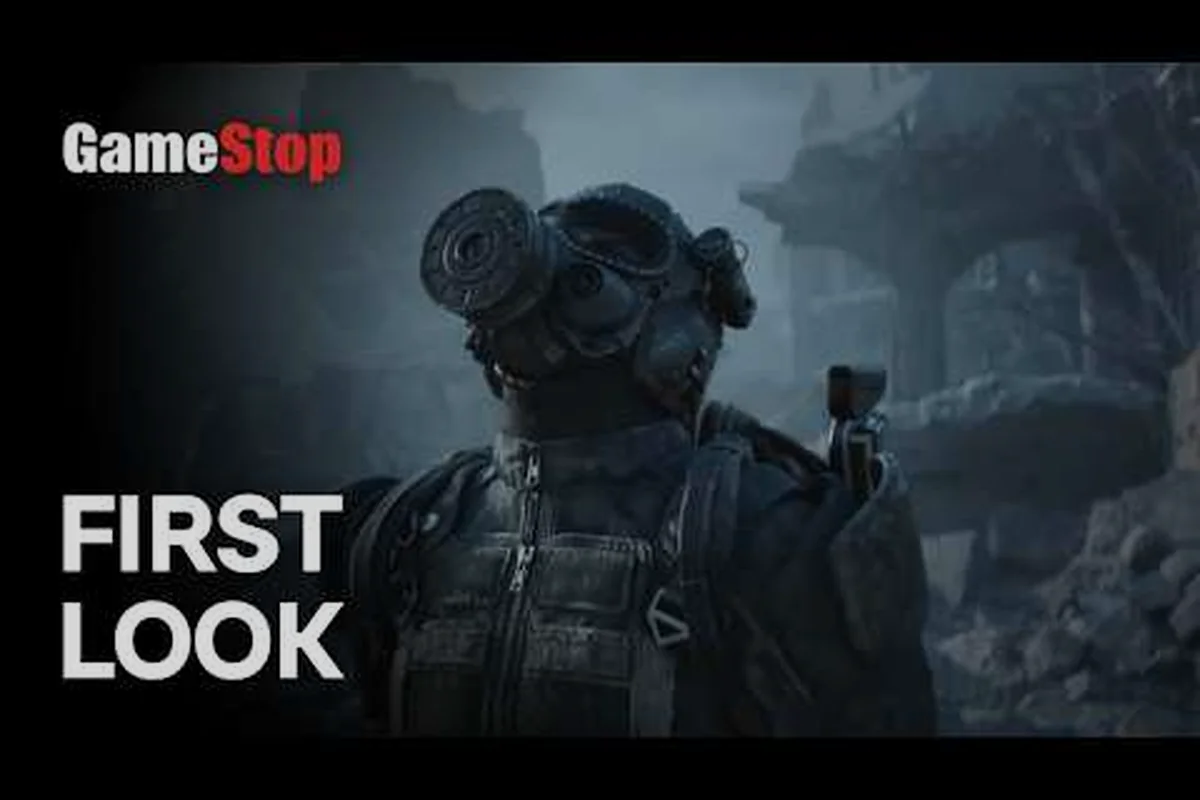
The metro 2039 independent stations are the last pockets of defiance against Hunter's Novoreich regime, and understanding them is essential for anyone trying to grasp who controls the metro in 2027. While the official Deep Silver description frames Novoreich as a unifying force, the reality beneath Moscow's surface is far messier: scattered stations refuse to submit, covert cells trade information, and a quiet resistance movement is already planning the overthrowing of Hunter's dictatorship. This article maps those independent stations, explains how the metro 2033 factions return in altered form, and breaks down what the resistance movement actually looks like on the ground.
The Independent Station Network: Pockets of Defiance in Novoreich Territory
The metro 2039 independent stations don't form a single unified bloc; they exist as isolated islands of resistance surrounded by Novoreich-controlled tunnels. According to the official METRO 2039 website, Hunter's regime rules through propaganda and fear, which means any station that rejects that control becomes an immediate target for re-education or worse. Yet the reveal trailer and community reports suggest several stations have managed to hold out, either through strategic alliances, geographic isolation, or sheer stubbornness.
What makes these independent stations so important to the broader metro 2039 novoreich rebellion is their function as safe houses for dissidents, arms caches for resistance cells, and information hubs where propaganda can be countered with truth. The regime's control is strongest along the central lines where patrols run frequently, but the deeper and more remote stations become, the thinner Novoreich's reach stretches.
| Station Type | Primary Function | Risk Level | Typical Population |
|---|---|---|---|
| Trade Hubs | Black market goods, unregistered weapons | Medium | 200-500 |
| Refuge Stations | Shelter for deserters and exiles | High | 50-150 |
| Information Nodes | Anti-regime propaganda, radio relays | Extreme | 10-30 |
| Fortified Outposts | Armed resistance staging grounds | Critical | 100-300 |
The trade hubs are the most accessible independent stations because they serve a practical purpose even Novoreich tolerates: the regime needs certain goods that only independent merchants can source. This creates a tense coexistence where station masters walk a careful line between cooperation and defiance. The fortified outposts, by contrast, are openly hostile to Hunter's enforcers and function as the military backbone of the resistance movement.
Community reports from players who analyzed the gameplay reveal suggest that these stations will be fully explorable spaces with their own faction reputation systems, meaning your actions in one station could ripple outward and affect how other independent settlements treat you. This aligns with the broader faction system explained in our overview, where every choice carries weight across the entire metro.
How the Metro 2033 Factions Return in Altered Form
The metro 2033 factions return in METRO 2039, but none of them survived the transition to Novoreich rule unchanged. The old political landscape of the metro — Hansa, the Red Line, the Fourth Reich, and the Spartan Order — has been forcibly consolidated under Hunter's banner, yet remnants of each faction persist within the independent station network.
The Red Line's Underground Cells
The Red Line was once the metro's most ideologically rigid faction, and its surviving members have adapted their revolutionary rhetoric to target Novoreich instead of capitalism. These cells operate in small, compartmentalized units to avoid infiltration, and they're among the most organized elements of the resistance movement. Their experience with propaganda warfare and secret police tactics makes them dangerous opponents for Hunter's enforcers, though their methods remain morally ambiguous.
Hansa's Merchant Networks
Hansa's traders understood that borders are just lines on a map — what matters is the flow of goods. Under Novoreich, many former Hansa merchants now run the black market that sustains the metro 2039 independent stations. They're not ideologically opposed to Hunter; they simply profit more from chaos and scarcity. This makes them unreliable allies but essential partners for any serious rebellion.
The Fourth Reich's Remnants
The Fourth Reich was supposedly dismantled, but community theories suggest some of its members found new purpose within Novoreich's ranks, while others fled to the independent stations out of pure survival instinct. Their presence creates friction within the resistance movement, as older station residents remember the Reich's atrocities and distrust anyone associated with that legacy.
| Original Faction | Status in 2039 | Role in Independent Stations | Trustworthiness |
|---|---|---|---|
| Red Line | Fragmented into cells | Ideological core of resistance | Moderate |
| Hansa | Absorbed, merchants defected | Black market logistics | Low |
| Fourth Reich | Disbanded, remnants scattered | Unwanted presence, potential informants | Very Low |
| Spartan Order | Split between loyalists and defectors | Training, tactical expertise | High |
The Spartan Order deserves special attention because its split mirrors the game's central conflict. Some Spartans remained loyal to Hunter, believing his iron rule is necessary for humanity's survival. Others defected, unable to accept what the order had become. These defectors bring military training and tactical knowledge to the independent stations, making them the most valuable assets the resistance movement has — and the most hunted.
The Resistance Movement: How Overthrowing Hunter Actually Works
The metro 2039 resistance movement isn't a single organized army; it's a patchwork of independent cells, each with its own goals and methods. Understanding how these groups operate is key to grasping the metro 2039 novoreich rebellion and what overthrowing Hunter would actually require.
Cell Structure and Communication
Resistance cells operate on a need-to-know basis, with members knowing only their immediate contacts. This compartmentalization protects the network from infiltration, but it also creates coordination problems. Messages travel through dead drops, coded radio broadcasts, and trusted couriers who move between independent stations. The system is slow and inefficient, but it's survived this long because Novoreich's secret police haven't been able to crack it.
Methods of Resistance
The resistance movement employs a range of tactics, from passive defiance to active sabotage: independent stations like VDNKh and Rizhskaya orchestrate coordinated work stoppages and information blackouts, while the more radical Novoreich cells under the banner of overthrowing Hunter directly sever Red Line supply cables and reroute critical air-filtration resources to bolster their own defenses. This layered escalation—civil disobedience first, then targeted infrastructure warfare—reflects a calculated strategy to avoid full-scale retaliation until the Novoreich rebellion can consolidate enough territory to challenge who controls the metro, a delicate balance that keeps the fragile alliance of metro 2039 independent stations from fracturing under pressure.
-
Information warfare: Distributing anti-Novoreich pamphlets, maintaining illegal radio broadcasts, and spreading rumors that undermine the regime's propaganda.
-
Economic sabotage: Disrupting supply lines, hoarding essential goods, and creating artificial shortages that force Novoreich to divert resources away from enforcement.
-
Targeted violence: Assassinations of regime officials, bombings of patrol routes, and ambushes on supply convoys — though these actions risk brutal reprisals against civilian populations.
-
Shelter and escape: Running underground railroads that move deserters, dissidents, and defectors out of Novoreich territory to safety.
Each method carries different risks, and the independent stations debate constantly about which approach is justified. The pacifist factions argue that violence only invites harsher crackdowns, pointing to the Novoreich rebellion’s failed frontal assault on Hunter’s armored train convoy, which ended with three stations re-occupied and their council elders publicly executed. The militant cells counter that Hunter will never surrender power voluntarily, citing the 2038 purge of VDNKh’s independent militia as proof that negotiation merely delays the inevitable—so they advocate targeted sabotage of the metro’s power relays and supply caches instead.
The Role of the Stranger
The masked protagonist known as the Stranger appears to be the catalyst that transforms scattered resistance into a coordinated threat. According to the character analysis of the Stranger, this exile returns to the metro carrying trauma and a personal vendetta against the regime. Whether the Stranger becomes the symbolic leader of the resistance movement or operates as a lone wolf remains unclear, but community theories suggest their actions will determine whether the independent stations unite or fall separately.
Who Controls the Metro: Mapping the Balance of Power
The question of who controls the metro in METRO 2039 doesn't have a simple answer. Novoreich holds the central lines, the major stations, and the surface access points, but control isn't the same as dominance. The metro 2039 independent stations control their own territories, and the contested zones between them are constantly shifting.
| Territory Type | Controlling Faction | Resources | Strategic Value |
|---|---|---|---|
| Central Lines | Novoreich | High (weapons, food, medicine) | Critical — connects major stations |
| Independent Stations | Local councils / resistance cells | Low-Moderate (scavenged, traded) | High — safe havens and staging grounds |
| Contested Tunnels | None / fluctuating | Minimal | Variable — ambush points, smuggling routes |
| Surface Ruins | Unclear (new enemy) | Unknown | Potentially decisive |
The contested tunnels are where the real power struggle plays out. Novoreich patrols these routes to maintain supply lines between their strongholds, while resistance fighters use them for movement and ambushes. Control of these tunnels shifts almost daily, and both sides invest heavily in intelligence gathering to predict enemy movements.
What complicates the picture is the surface threat mentioned in the official description — a dark and terrifying enemy that Novoreich claims justifies its authoritarian rule. If this enemy is real, then the independent stations face a dilemma: resist Hunter's tyranny or unite with him against a greater threat. This moral tension sits at the heart of the game's narrative, and it's explored further in the analysis of why METRO 2039 refuses to romanticize the apocalypse.
Moving Through Independent Station Hubs
If you're planning to explore the metro 2039 independent stations when the game launches, you'll need to understand how these spaces function mechanically, since they operate as autonomous hubs rather than simple linear corridors. Based on the gameplay reveal and community analysis, each station features its own faction-aligned vendor economy, defensive choke points tied to the metro 2039 resistance movement, and dynamic patrol routes that shift based on your reputation with the novoreich rebellion. Unlike the scripted encounters in the metro 2033 factions return, these territories react in real time to your actions—particularly if you pursue metro 2039 overthrowing hunter objectives, which triggers hostile response from station guards and locks certain trade routes. Expect to manage limited ammunition caches and negotiate with station leaders to secure safe passage, as the question of metro 2039 who controls the metro directly influences which areas remain accessible to you.
Building Reputation with Independent Stations
Each independent station tracks your reputation separately, and your actions determine whether you're welcomed or turned away. Helping station residents, completing tasks for local leaders, and contributing resources all improve your standing. Conversely, stealing, killing innocents, or cooperating too openly with Novoreich will close doors.
The reputation system appears to be more granular than in previous Metro games, with stations remembering specific actions rather than just tracking a generic alignment meter. This means you can't simply grind favors to offset a betrayal — your choices have lasting consequences.
Resource Management in Resistance Territory
Independent stations are resource-poor compared to Novoreich strongholds, but they offer unique opportunities: without the Hunter's centralized supply lines, these outposts rely on scavenging runs into the dead zones and bartering with neutral traders, which means every bullet and filter cartridge is a precious commodity. Yet this scarcity breeds a different kind of wealth—intel. Station masters often trade information about Novoreich patrol routes and supply caches for a share of the haul, giving resistance cells the reconnaissance they need to plan ambushes and coordinate with the broader metro 2039 rebellion.
-
Custom weapon modifications from independent gunsmiths who aren't bound by regime regulations.
-
Information purchases that reveal hidden locations, patrol routes, and story secrets.
-
Safe resting spots where you can save progress and recover without fear of regime raids.
-
Recruitment opportunities for companions who can assist in combat or provide unique skills.
That trade-off cuts both ways in practice: a station running on independent power and jury-rigged filtration is a beacon to Novoreich signal-sniffers, and every successful supply run or scavenging sortie into the ruined tunnels risks leaving a trail that a patrol can trace back to your door. One compromised safehouse can unravel weeks of quiet preparation, forcing the resistance to burn precious ammunition and medical supplies on a fight they didn't choose, or worse, abandon the station entirely and scatter into the unknown depths.
Choosing Your Alignment
The game appears to support multiple approaches to the metro 2039 novoreich rebellion. You can commit fully to the resistance movement, working to unite the independent stations and overthrow Hunter. You can play as a pragmatist, using both sides for personal gain while committing to neither. Or you can side with Novoreich, believing that stability matters more than freedom.
Each path offers different gameplay experiences, and the Ranger Mode survival guide provides additional context on how these choices affect the difficulty curve. The key is understanding that your alignment isn't just a moral statement — it determines which missions you can access, which allies you can recruit, and which endings you can reach.
Frequently Asked Questions
What are the metro 2039 independent stations?
The metro 2039 independent stations are settlements that refuse to submit to Hunter's Novoreich regime. They function as safe havens for dissidents, black market trading hubs, and staging grounds for the resistance movement. Each station operates under its own local leadership, and they maintain independence through a combination of geographic isolation, strategic alliances, and active resistance against regime patrols.
How does the resistance movement plan to overthrow Hunter?
The resistance movement operates through compartmentalized cells that use information warfare, economic sabotage, and targeted violence against Novoreich targets. They coordinate through dead drops, coded radio broadcasts, and trusted couriers moving between independent stations. The Stranger's arrival appears to be the catalyst that could unite these scattered cells into a coordinated threat capable of overthrowing Hunter's regime.
Who controls the metro in METRO 2039?
Novoreich controls the central lines and major stations, but the metro 2039 independent stations maintain control over their own territories. The contested tunnels between these zones shift hands frequently. The balance of power is further complicated by an unknown surface threat that Novoreich claims justifies its authoritarian rule, forcing players to question whether resistance or unity is the wiser path.
Do the metro 2033 factions return in METRO 2039?
Yes, the metro 2033 factions return in altered form. The Red Line survives as underground revolutionary cells, Hansa's merchants operate the black market, and the Spartan Order has split between Hunter loyalists and defectors. The Fourth Reich was disbanded, though some remnants may have found new roles within Novoreich or fled to independent stations.
Can you side with Novoreich instead of the resistance?
Yes. You can side with Novoreich entirely, unlike the binary resistance-or-pragmatist split seen in Metro Exodus. This path unlocks Novoreich-exclusive missions tied to Hunter's Spartan Order and alters how independent station patrols respond, leading to a distinct ending where you enforce the regime's propaganda-driven surface war.