
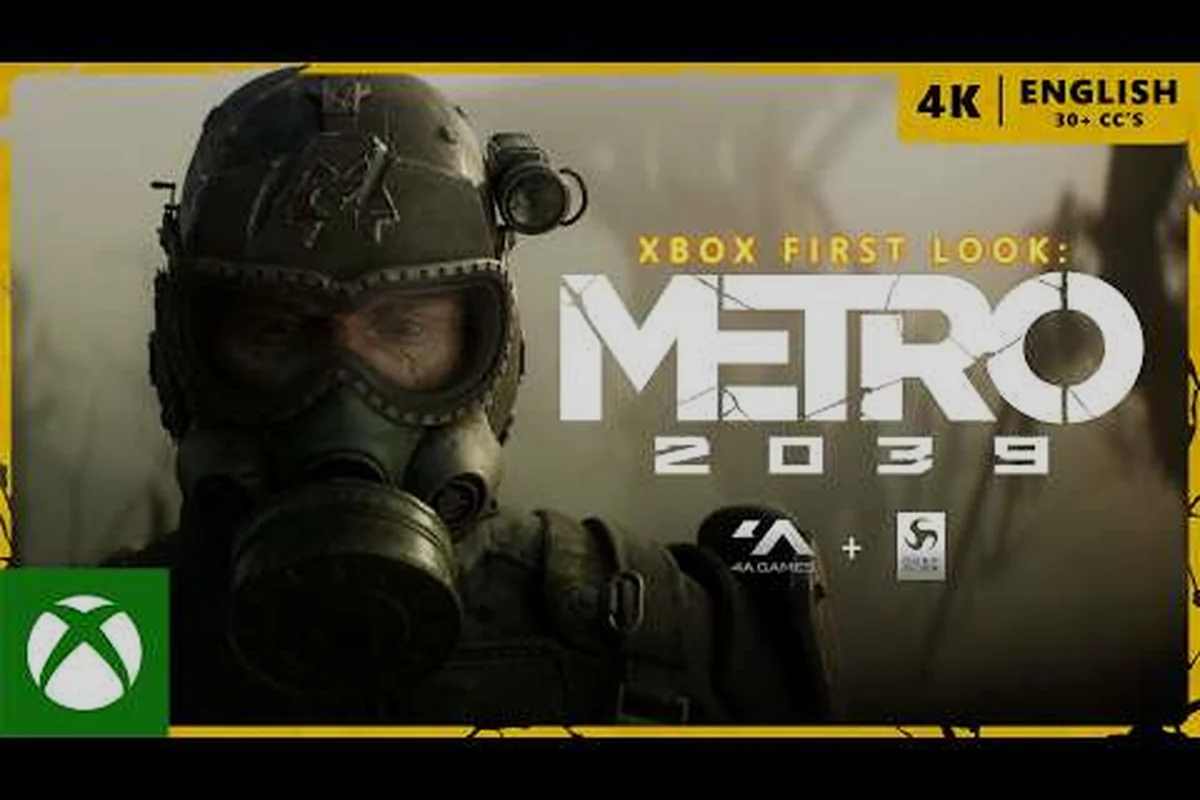
The metro 2039 story trailer analysis begins with a question that defines the entire reveal: what drives a man who swore he would never return to the Metro to walk back into its darkness? The official reveal trailer, which premiered during the Xbox First Look presentation on April 16, 2026, answers that question through a brutal sequence of waking nightmares that shatter the Stranger's self-imposed exile. This matters because the trailer does more than showcase graphics — it establishes the psychological foundation for the entire metro 2039 post apocalyptic story, introducing the core conflict that will drive the narrative forward. Understanding these nightmare sequences is essential for anyone who wants to grasp what METRO 2039 is really about before the game launches, because the trailer deliberately hides as much as it reveals.
Breaking Down the METRO 2039 Reveal Trailer Story
| Trailer Element | Runtime / Position | Narrative Function | Reference Detail |
|---|---|---|---|
| Nightmare cold open | 0:00–0:45 (est.) | Establishes The Stranger's violent waking nightmares | Cinematic trailer "bounces associatively between grim and violent moments" from his traumatic life |
| Trauma flashback montage | 0:45–1:30 (est.) | Shows the "reclusive Stranger" haunted by past events | Trailer is "one of the most-watched Metro trailers ever" per IGN's 3:00 upload |
| Waking transition | 1:30–2:00 (est.) | Shifts from nightmare to grim determination | On waking, he "heads with grim determination back down into the Metro" |
| Metro descent | 2:00–2:45 (est.) | Visualizes return to confined Moscow tunnels | Creative director Andriy Shevchenko frames it as "going back to what makes Metro, Metro" |
| Final hook | 2:45–3:00 (est.) | Teases the journey to "the one place he swore he'd never go" | Deep Silver synopsis: forced out of exile into "the shattered ruins of Moscow" |
The metro 2039 reveal trailer story unfolds as a cinematic descent into the Stranger's fractured psyche, and it does so with a structure that rewards careful viewing. The trailer opens in a space that feels both familiar and wrong — a room that should be safe but isn't, because the nightmare logic has already begun to corrupt it. According to the official METRO 2039 website, the Stranger is a reclusive figure haunted by violent waking nightmares, and the trailer translates that description into pure visual language. Each cut between scenes represents an associative leap, not a linear progression, which means viewers are experiencing the nightmare the same way the Stranger does: disoriented, frightened, and unable to distinguish memory from hallucination.
The trailer's structure mirrors the psychological state of its protagonist, and that is a deliberate choice by creative director Andriy Shevchenko. The nightmare sequences bounce between grim and violent moments from the Stranger's traumatic life, as documented in the official reveal trailer on YouTube, and this associative editing creates a sense of dread that a straightforward narrative could never achieve. What makes this metro 2039 nightmare sequences analysis particularly interesting is how the trailer refuses to explain the context of each flashback. Viewers see the aftermath of violence, the faces of people the Stranger has lost, and the ruins of places he once called home, but the trailer never pauses to clarify what happened or why.
The Stranger's Waking Nightmares as Narrative Device
The metro 2039 waking nightmares are not merely a framing device for the trailer — they are the engine that drives the entire story forward. The Deep Silver description confirms that the Stranger is forced out of exile because these nightmares have become unbearable, and that distinction matters for the narrative. He is not choosing to return to the Metro because he wants to; he is being driven there because the alternative is psychological destruction. This inverts the typical post-apocalyptic hero arc, where a protagonist leaves safety to pursue adventure or justice. The Stranger's journey is fundamentally reactive, a retreat from internal torment that happens to require a physical descent into external danger.
This psychological framing also explains why the trailer spends so much time on the nightmare sequences rather than on gameplay or world-building. The metro 2039 post apocalyptic story is being told through the Stranger's internal experience, which means the ruined Moscow we see in the trailer is filtered through his trauma. The shattered buildings, the abandoned tunnels, and the lurking threats are all reflections of his mental state as much as they are depictions of the physical world. When the trailer finally shows the Stranger waking and moving with grim determination toward the Metro entrance, the audience understands that he is not walking toward salvation — he is walking toward the source of his nightmares.
What the Trailer Reveals About the Setting
The metro 2039 setting 2039 moscow is established through environmental details that reward close attention. The trailer shows a Moscow that has been abandoned for decades, with vegetation reclaiming concrete structures and the silence of a city that no longer supports human life at scale. This is a significant departure from the previous games in the series, which depicted the Metro as a crowded, functioning society. The 2039 setting suggests that the surface has become even more dangerous, and that the Metro itself may be in decline. According to the Xbox Wire recap of the First Look presentation, the game returns to the Moscow Metro tunnels after Exodus expanded the series scope, and Shevchenko described this as going back to what makes Metro, Metro.
The trailer's depiction of the Metro entrance carries symbolic weight that connects to the metro 2039 what is the metro question that new players often ask. The Metro in this game is not just a setting — it is a character in its own right, a place that has shaped the Stranger's identity and that he has spent years trying to escape. The trailer shows the Metro as both a refuge and a prison, a place where humanity survives but also where the worst aspects of human nature flourish. This duality is central to understanding the story, because the Stranger's relationship with the Metro is complicated by the fact that it is simultaneously the source of his trauma and the only place where he might find answers.
The Frozen Stories Approach to Environmental Storytelling
The reveal trailer hints at a storytelling philosophy that will define the full game, and understanding it requires looking at how the developers approach environmental design. Executive producer Jon Bloch explained during the Xbox First Look presentation that the game uses what the team calls frozen stories — every room is staged with items, bodies, and props so observant players can piece together micro-narratives about what happened before the player arrived. This approach, which the Xbox Wire recap documented in detail, means that no room is prefabricated or generic. Each space shows what a person was doing right before they left or died, creating a world that feels lived-in and tragic.
This design philosophy has direct implications for how the metro 2039 story trailer analysis should be interpreted. The trailer itself uses the frozen stories approach in miniature, with each nightmare sequence functioning as a staged scene that reveals something about the Stranger's past. A table set for a meal that was never eaten, a child's toy lying in the dust, a photograph torn in half — these details are not random set dressing. They are clues about the Stranger's history and the events that broke him, and they reward the kind of careful viewing that the full game will demand. The trailer is essentially teaching players how to read the world before they ever set foot in it.
How Environmental Details Build the Post-Apocalyptic Narrative
The metro 2039 post apocalyptic story is told through these environmental details, and the trailer demonstrates how effective this approach can be. Consider the way the trailer lingers on objects that would be meaningless in a conventional action game: a worn gas mask, a child's drawing, a half-finished letter. Each of these objects tells a story about the person who owned it, and together they create a portrait of a society that collapsed while people were still living their ordinary lives. This is the opposite of the romanticized apocalypse that many games depict, where the end of the world is an opportunity for heroism and adventure. METRO 2039 presents the apocalypse as a tragedy that happened to real people, and the frozen stories approach ensures that tragedy is never abstract.
This commitment to grounded storytelling is also reflected in the game's development history. The Wikipedia article on METRO 2039 notes that development was significantly affected by Russia's invasion of Ukraine in February 2022, with the studio experiencing electricity outages that forced reliance on batteries and generators. The team made a deliberate shift toward a Ukrainian perspective, which has influenced the game's thematic concerns. This context matters for the story analysis because it explains why the game is so committed to depicting the human cost of conflict rather than glorifying it. The nightmare sequences in the trailer are not just psychological horror — they are a statement about what war does to people who survive it.
Comparing the Trailer's Storytelling to Previous Metro Games
| Storytelling Element | Metro Exodus Approach | METRO 2039 Trailer Approach |
|---|---|---|
| Primary Setting | Open environments across Russia | Confined Moscow Metro tunnels |
| Narrative Focus | Linear journey with crew interactions | Psychological descent into trauma |
| Environmental Storytelling | Scattered notes and audio logs | Frozen stories in every room |
| Protagonist Motivation | Seeking a new home for the crew | Escaping waking nightmares |
| Tone | Hopeful despite hardship | Grim and psychologically intense |
This comparison table highlights how METRO 2039 represents a deliberate return to the series' roots while introducing a more psychologically complex narrative. The trailer's focus on the Stranger's internal experience is a significant departure from Exodus, which balanced its story with the practical concerns of the Aurora crew. According to the Xbox Wire recap, Shevchenko described the return to the Metro tunnels as going back to what makes Metro, Metro, and the trailer confirms that this means returning to the claustrophobic, survival-focused storytelling that defined the early games. The metro 2039 setting 2039 moscow is not just a location — it is a return to the series' identity.
The Stranger's Exile and the Journey Back to Moscow
The metro 2039 story trailer analysis would be incomplete without examining the Stranger's exile and what it means for the narrative. The trailer establishes that the Stranger has been living apart from society, haunted by nightmares that make normal existence impossible. The Deep Silver description confirms that he is forced out of exile and undertakes a harrowing journey into the shattered ruins of Moscow to the one place he swore he would never go: the Metro. This creates a powerful dramatic irony, because the audience understands that the Stranger's exile was never truly voluntary — he was running from his past, and the past has finally caught up with him.
The journey back to Moscow is depicted in the trailer as a physical descent that mirrors the Stranger's psychological state. The surface is shown as a wasteland of crumbling buildings and overgrown streets, but the real danger is what waits below. The Metro represents everything the Stranger has been trying to avoid: the memories, the guilt, and the people he failed. The trailer's final shot, which shows the Stranger descending into the Metro's darkness, is therefore not a triumphant hero's moment. It is a surrender, an acknowledgment that some things cannot be outrun. This is the emotional core of the metro 2039 reveal trailer story, and it is what separates this game from more conventional post-apocalyptic narratives.
Why the Stranger's Backstory Matters for the Plot
The Stranger's backstory is deliberately obscured in the trailer, but the fragments that are shown suggest a history of violence and loss. The nightmare sequences include images of combat, of people dying, and of the Stranger himself as both victim and perpetrator. This ambiguity is intentional, because it forces the audience to question whether the Stranger is a hero, a villain, or something in between. The metro 2039 nightmare sequences are not just scary — they are morally complex, presenting the Stranger's past as something he cannot escape but also cannot fully understand. This is a more sophisticated approach to protagonist characterization than the series has attempted before, and it suggests that METRO 2039 will be the most narratively ambitious game in the franchise.
The connection between the Stranger's backstory and the larger world of the Metro is also hinted at in the trailer. Brief glimpses of other characters — figures in gas masks, shadows in tunnels, faces half-seen in the darkness — suggest that the Stranger's personal journey will intersect with the broader conflicts of the Metro's factions. Players who want to understand the full context of these relationships should check out the character trailer analysis for deeper insights into the Stranger and the figures from his past. The trailer positions the Stranger as a man caught between his personal demons and the political struggles of the Metro, and that tension will likely drive much of the game's conflict.
The Role of the Metro in the Stranger's Psychological Journey
The metro 2039 what is the metro question takes on new meaning when viewed through the Stranger's psychological journey. For the Stranger, the Metro is not just a physical location — it is the embodiment of his trauma, the place where his nightmares were born. The trailer shows the Metro as a labyrinth of dark tunnels and abandoned stations, but the real labyrinth is in the Stranger's mind. His journey into the Metro is a journey into his own past, and the game will likely blur the line between physical and psychological exploration. This is a bold narrative choice that could redefine how the series tells stories, and it is the most exciting aspect of the metro 2039 story trailer analysis.
The trailer also suggests that the Metro has changed since the Stranger left it. The brief glimpses of the tunnels show signs of new factions, new threats, and new forms of desperation. The Stranger is returning to a place that is both familiar and alien, and this duality will create constant tension as he navigates spaces that hold painful memories while also being transformed by time and conflict. The frozen stories approach means that every room the Stranger enters will contain traces of both his past and the present's new tragedies, creating a layered narrative experience that rewards exploration and observation.
Analyzing the Trailer's Visual and Audio Storytelling
The metro 2039 reveal trailer story is told as much through visual and audio design as through narrative content, and analyzing these elements reveals the game's artistic ambitions. The trailer uses a muted color palette dominated by grays, browns, and sickly greens, creating a world that feels drained of life. This is a deliberate contrast with the vibrant colors of the nightmare sequences, which are saturated with the reds and oranges of violence and fire. The visual language communicates the difference between the Stranger's internal experience and the external world, with the nightmares feeling more real and vivid than his waking life.
The audio design is equally important to the metro 2039 nightmare sequences analysis. The trailer uses a soundscape of distant screams, metallic groans, and a low, pulsing drone that creates a sense of unease. The nightmare sequences are marked by sudden silences and jarring sound effects that mimic the disorientation of waking from a bad dream. The trailer's music builds from a whisper to a crescendo as the Stranger approaches the Metro, suggesting that his decision to return is both inevitable and terrifying. According to the official reveal trailer on YouTube, this cinematic approach made the trailer one of the most-watched Metro trailers ever, and it is easy to see why.
Key Visual Symbols in the Trailer
| Visual Symbol | Appears In | Narrative Meaning |
|---|---|---|
| Torn photograph | Nightmare sequence | A relationship destroyed by conflict |
| Child's drawing | Nightmare sequence | Innocence lost in the apocalypse |
| Worn gas mask | Waking sequence | Survival at the cost of humanity |
| Half-finished letter | Nightmare sequence | Unfinished business from the past |
| Metro entrance | Waking sequence | The point of no return |
These visual symbols are the building blocks of the metro 2039 post apocalyptic story, and they demonstrate the trailer's commitment to meaningful detail. Each symbol is introduced in a nightmare sequence and then echoed in the waking world, creating a visual rhyme that connects the Stranger's internal and external experiences. The torn photograph, for example, appears in a nightmare where the Stranger is reaching for someone who is already gone, and then reappears in his waking life as a physical object he carries with him. This technique creates a sense of continuity between the psychological and physical worlds, suggesting that the Stranger's nightmares are not just in his head — they are rooted in real events and real losses.
How the Trailer Establishes Tone and Atmosphere
The tone of the metro 2039 waking nightmares is established through a combination of pacing, sound, and visual composition. The trailer moves between slow, contemplative shots and sudden, violent cuts, creating a rhythm that mirrors the Stranger's psychological state. The nightmare sequences are marked by rapid editing and disorienting camera movements, while the waking sequences are slower and more deliberate. This contrast creates a sense of relief when the Stranger wakes, but that relief is immediately undercut by the grim determination on his face. The audience understands that waking from the nightmare does not mean escaping it — it means carrying it into the real world.
The atmosphere is also shaped by the trailer's treatment of violence. The nightmare sequences show violence in fragmented, almost abstract ways — a flash of a blade, a spray of blood, a body falling — rather than in graphic detail. This approach is more effective than explicit gore because it forces the audience to fill in the gaps, creating a sense of horror that is more psychological than visceral. The metro 2039 story trailer analysis reveals that the game is less interested in shock value than in the emotional aftermath of violence, which aligns with the developers' stated commitment to not romanticizing the apocalypse. This is a mature approach to storytelling that sets METRO 2039 apart from many other post-apocalyptic games.
The Trailer's Place in the Larger METRO 2039 Narrative
The reveal trailer is just one piece of the larger metro 2039 post apocalyptic story, but it establishes themes and conflicts that will likely define the entire game. The trailer introduces the Stranger's waking nightmares as the central narrative device, and it suggests that the game will explore the psychological toll of survival in a world that has been destroyed. This is a more introspective approach than the series has taken before, and it positions METRO 2039 as a game that is as concerned with internal struggles as with external threats. The metro 2039 setting 2039 moscow provides the physical context for this psychological journey, with the ruined city serving as a mirror for the Stranger's fractured mind.
The trailer also establishes the Stranger's relationship with the Metro as the emotional core of the story. He swore he would never return, but the nightmares have made it impossible for him to stay away. This creates a powerful dramatic question that will drive the narrative: what happened in the Metro that was so traumatic, and what will the Stranger find when he returns? The trailer does not answer these questions, but it makes them impossible to ignore. For players who want to explore the implications of the trailer's themes, the story theories discussion offers a deeper dive into the fan interpretations and speculations that have emerged since the reveal.
How the Trailer Connects to the Game's Themes
The metro 2039 reveal trailer story is built around themes of trauma, memory, and the impossibility of escape. The Stranger's waking nightmares are not just a plot device — they are a statement about the nature of survival. The trailer suggests that surviving the apocalypse is not enough, because the mind can be destroyed by memories even when the body survives. This theme is explored through the metro 2039 nightmare sequences, which show the Stranger reliving his worst moments over and over, unable to break free. The game seems to be asking whether it is possible to truly escape the past, or whether the only way forward is to confront it directly.
The theme of not romanticizing the apocalypse is also central to the trailer's message. The metro 2039 story trailer analysis reveals a world that is not exciting or adventurous — it is grim, dangerous, and psychologically devastating. The trailer's depiction of Moscow as a ruined wasteland, and of the Metro as a place of darkness and fear, challenges the romanticized view of post-apocalyptic survival that many games promote. This commitment to realism is one of the series' defining characteristics, and it is on full display in the reveal trailer. The developers have stated that they want to tell a story about the human cost of conflict, and the trailer delivers on that promise.
What the Trailer Means for the Game's Future
The reveal trailer sets expectations for a game that is more narratively ambitious and psychologically complex than anything the series has attempted before. The metro 2039 story trailer analysis suggests that the game will prioritize story and atmosphere over action, with the nightmare sequences serving as a framing device for the entire narrative. This is a bold choice that could either elevate the series to new heights or alienate players who prefer the more straightforward action of previous games. The trailer's reception, which has been overwhelmingly positive according to community reports, suggests that players are ready for this evolution.
The game's development history adds another layer of meaning to the trailer's themes. The Wikipedia article on METRO 2039 documents how the Russian invasion of Ukraine affected the studio, and the trailer's focus on trauma, displacement, and the psychological cost of war takes on additional resonance in this context. The developers have deliberately shifted toward a Ukrainian perspective, and the trailer's depiction of a ruined Moscow can be read as a commentary on the destruction that war brings. This is not just entertainment — it is a statement about the world we live in, and it gives the metro 2039 post apocalyptic story a weight that few games achieve.
Frequently Asked Questions
What is the metro 2039 story trailer analysis about?
The metro 2039 story trailer analysis examines the official reveal trailer's narrative content, focusing on the Stranger's waking nightmares and his forced return to the Moscow Metro. It breaks down the trailer's visual symbols, environmental storytelling, and psychological themes to explain what the game's story will be about.
What are the metro 2039 waking nightmares?
The metro 2039 waking nightmares are violent, intrusive visions that haunt the Stranger, the game's protagonist. These nightmares force him out of exile and drive him back to the Metro, the one place he swore he would never go. They represent his trauma and unresolved past.
How does the metro 2039 setting 2039 moscow differ from previous games?
The metro 2039 setting 2039 moscow returns to the confined Metro tunnels after Exodus expanded the series to open environments. The setting is depicted as more dangerous and psychologically oppressive, with the ruined city serving as a reflection of the Stranger's fractured mental state.
What is the metro in the context of METRO 2039?
The metro in METRO 2039 is both a physical location and a psychological symbol. It represents the Stranger's trauma and the source of his nightmares, while also being the only place where he might find answers. The game explores this duality throughout its story.
Will the metro 2039 nightmare sequences appear throughout the game?
Based on the metro 2039 story trailer analysis, the nightmare sequences are likely to be a recurring narrative device throughout the game. They serve as the primary motivation for the Stranger's journey and provide insight into his backstory and psychological state.